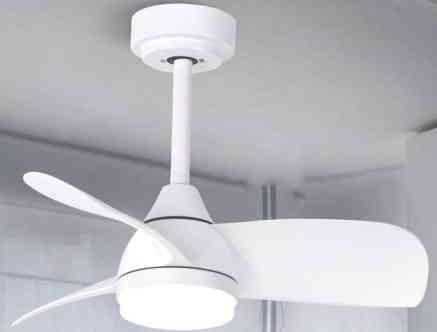
OEM Ceiling Fan Light F3801
OEM Ceiling Fan Light F3801: compare the pictured fan-light assembly with your mechanical, lighting and control requirements.
Built for your product platform.
OEM Ceiling Fan Light F3801: what this listing covers
This page records a single fan-light model from the OEM range and identifies it by its model code. What it does not do is quote electrical or dimensional figures, because none have been approved for publication against this code. Reading a specification into a model number is the most common way a fan-light project starts from a wrong assumption, so the figures are established with you rather than published as a guess.
Model reference
| Model code | F3801 |
|---|---|
| Range | OEM ceiling fan lights |
| Product category | OEM Ceiling Fan Lights |
| Configuration status | Not yet confirmed for a specific project |
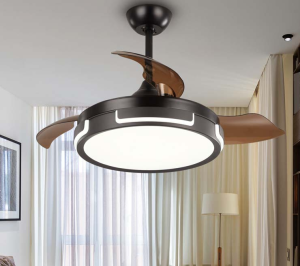
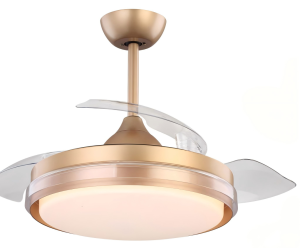
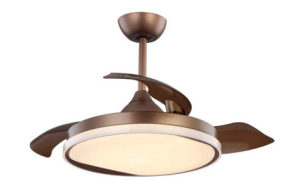
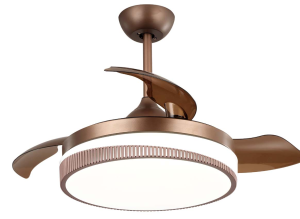
The image on this page documents the appearance of the model as supplied in our records. It is a visual reference for an initial sourcing conversation, not a production drawing and not a statement of configuration.
F series
The F prefix groups the models supplied for fan-light programmes where the fixture is matched to a fan platform by the buyer. The code identifies the model within the range; it does not encode a motor, a light engine or a mounting type.
Where F3801 sits in the range
The model code is built from a series prefix and a numeric identifier. For this listing the prefix is F and the identifier is 3801, with the variant marker F. Around 64 published models share this prefix, so a code on its own will not tell you which of them is the closest starting point for a given platform – that comparison is a conversation, not a lookup.
How a fan-light model becomes a project
A finished fan light is assembled from parts that are each decided separately: the fan motor and its control, the light engine and its driver, the housing and finish, the user interface, and the mounting hardware. Two models that look alike in a photograph can differ in every one of those decisions, which is why the review starts from your target market and your existing platform rather than from the code alone.
- Motor and control. AC or DC platform, the speed control method, and whether a remote, wall control or connected module is in scope.
- Light engine. Colour temperature, output, whether dimming is required, and how the driver is arranged inside the housing.
- Housing and finish. The mechanical reference, the finish required for your market, and any branding on the product.
- Installation. Downrod or flush mounting, canopy arrangement and the wiring interface the installer will see.
- Market compliance. Which approvals the destination market requires, and whether the documentation has to accompany each unit.
What to send for a quotation
For a fan-light enquiry the useful starting point is the target market, the quantity per model, whether samples are needed, and any packaging or branding requirement. If you are matching an existing product, a photograph of the current unit, its rating label and the installation instructions let the engineering team identify which configuration questions are already answered.
A quotation can then be issued against a defined configuration rather than against a model code, which keeps the commercial terms and the technical scope aligned.
Sampling and approval
Sampling follows the confirmed configuration. Agree what will be measured and inspected on the sample before it is shipped – appearance against the reference, the motor and light functions, the control behaviour, and the packaging – so that the approval decision rests on agreed criteria instead of an impression. Record the approved sample revision, because a later change to the motor, the light engine or the housing invalidates the approval and should reopen the review.
Frequently asked questions.
Can this product be customized for our application?
Yes. Sankey can match the controller hardware, firmware, interfaces, protection functions, and production test plan to your motor and target market.
What information is needed for a project quotation?
Please share motor data, input voltage, rated power, required functions, target certifications, product drawings where available, and expected annual volume.
How is production quality validated?
Production support can include incoming inspection, AOI, ICT, functional testing, aging, and reliability checks appropriate to the confirmed project specification.