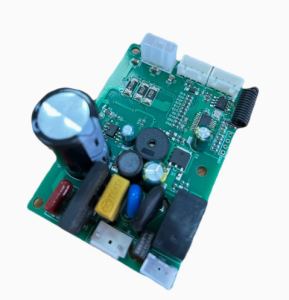
Commercial Fan Drives
Standing Fan Controller PCBA
Standing Fan Controller PCBA. Review the fan load, operating duty, speed command and installed thermal conditions.
Evaluate commercial fan drive controller PCBA for duty cycle, load changes, thermal conditions, protection, controls, and production validation.
Standing Fan Controller PCBA. Review the fan load, operating duty, speed command and installed thermal conditions.
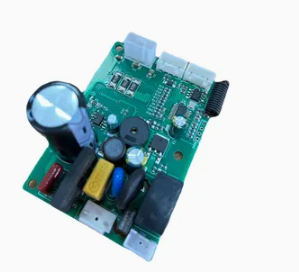
Commercial Fan Controller PCBA. Review the fan load, operating duty, speed command and installed thermal conditions.
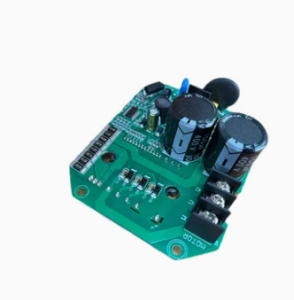
Negative-Pressure Fan Drive Control Board. Review the fan load, operating duty, speed command and installed thermal conditions.
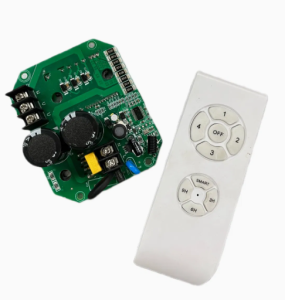
High-Capacity Negative-Pressure Fan Drive PCBA. Review the fan load, operating duty, speed command and installed thermal conditions.
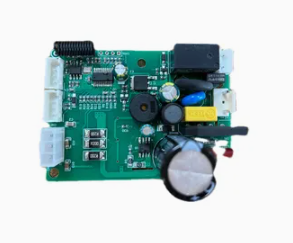
Standing Fan Control PCBA. Review the fan load, operating duty, speed command and installed thermal conditions.
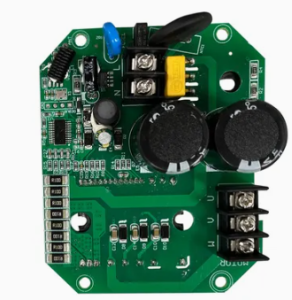
Negative Pressure Fan Drive PCBA. Review the fan load, operating duty, speed command and installed thermal conditions.
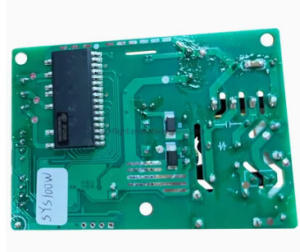
Standing Fan Drive PCBA. Review the fan load, operating duty, speed command and installed thermal conditions.
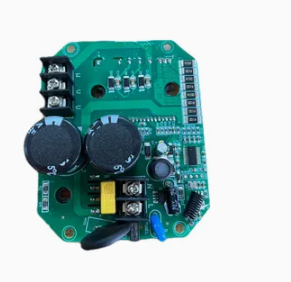
Industrial Fan Controller PCBA. Review the fan load, operating duty, speed command and installed thermal conditions.
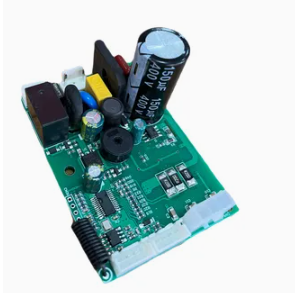
Brushless DC Motor Driver Board for Commercial Fan. Review the fan load, operating duty, speed command and installed thermal conditions.
Pedestal, circulation and negative-pressure fans place different demands on speed control and load response. Share the fan assembly and duty profile before choosing a board.
Reliable motor-control PCBA for ventilation, circulation, pedestal, and commercial fan OEM projects.
A controller is selected against the complete application, not from a generic rating alone. Confirm the points below before finalising a prototype brief.
Share motor data, required functions, target market, and volume plan for an engineering review.
A commercial fan drive is part of a complete air-moving system. Share the motor and fan assembly, expected duty cycle, speed-command method, operating environment, protection requirements, and production target so the controller can be reviewed against the actual application.
Define continuous or intermittent operation, start-stop frequency, speed range, load changes, airflow or pressure target, and acceptable temperature rise.
List local controls, external commands, feedback, fault outputs, wiring, enclosure constraints, and required recovery behavior.
Use the intended fan assembly for thermal, protection, functional, endurance, and manufacturing-test validation.