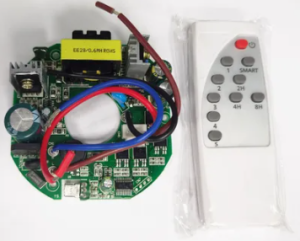
Ceiling Fan Inverters
Solar Ceiling Fan BLDC Motor Controller PCBA
Solar ceiling-fan controller listing. Define the energy source, motor and storage arrangement; confirm electrical limits for the actual solar architecture.
Compare ceiling fan inverter controller PCBA for AC/DC motor speed control, reverse operation, lighting, remote interfaces, and OEM validation.
Solar ceiling-fan controller listing. Define the energy source, motor and storage arrangement; confirm electrical limits for the actual solar architecture.
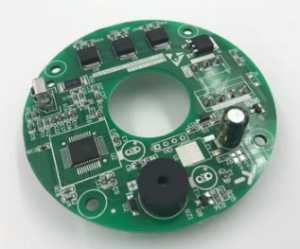
12V Solar Ceiling Fan Driver PCB. Compare the motor, supply, control interface and required operating functions.
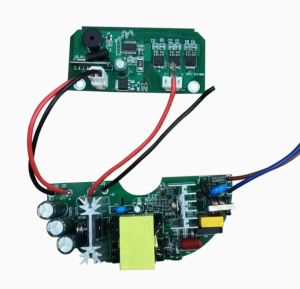
60–66W split-design fan control PCBA listing with recorded B40 reference. Review inter-board wiring, mounting and the intended RF control arrangement.
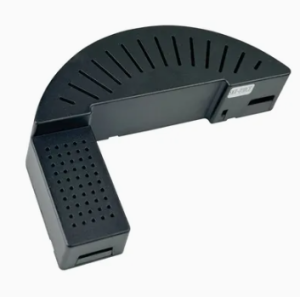
Ceiling Fan Light Control PCBA. Compare the motor, supply, control interface and required operating functions.
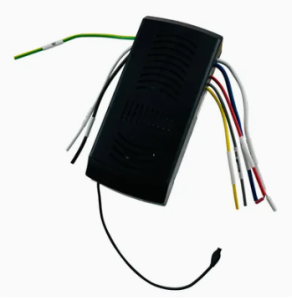
55W high-voltage fan-light controller listing with recorded MD3H reference. Review the motor drive and RF interface together for the approved configuration.
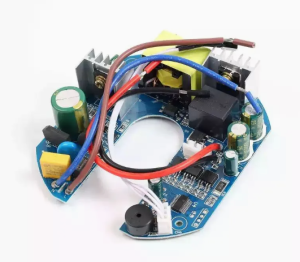
Ceiling Fan Inverter Controller PCBA. Compare the motor, supply, control interface and required operating functions.
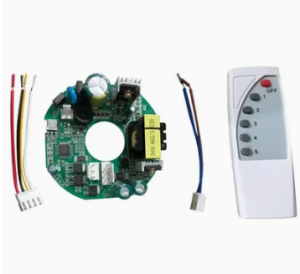
45W Ceiling Fan PCBA. Compare the motor, supply, control interface and required operating functions.
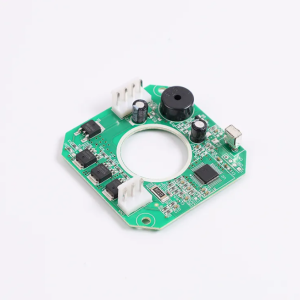
12V DC Ceiling Fan Controller PCBA. Compare the motor, supply, control interface and required operating functions.
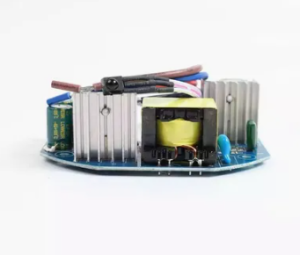
AC/DC Ceiling Fan Controller PCBA. Compare the motor, supply, control interface and required operating functions.
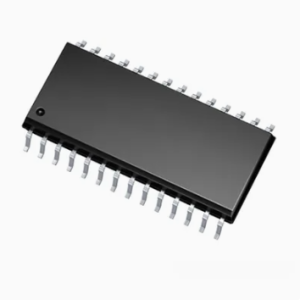
BLDC Ceiling Fan Controller PCB. Compare the motor, supply, control interface and required operating functions.
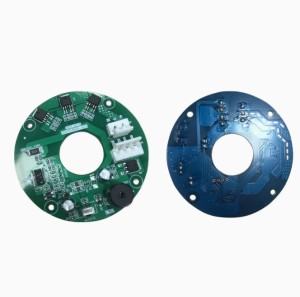
Brushless Ceiling Fan Controller PCB. Compare the motor, supply, control interface and required operating functions.
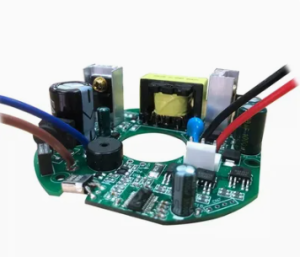
OEM AC/DC Ceiling Fan PCB Assembly. Compare the motor, supply, control interface and required operating functions.
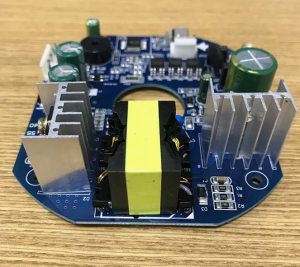
60W AC/DC BLDC Ceiling Fan Controller PCBA. Compare the motor, supply, control interface and required operating functions.
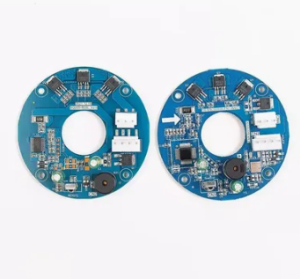
60W BLDC Ceiling Fan Control PCBA. Compare the motor, supply, control interface and required operating functions.
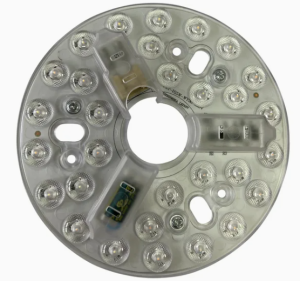
110V 15W Ceiling Fan Light Control Board. Confirm the light source, supply or driver arrangement and mechanical fit.
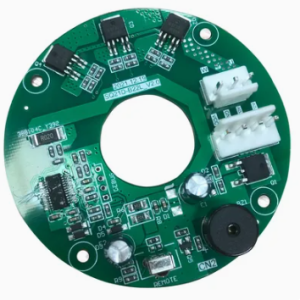
12V DC BLDC Ceiling Fan PCB Circuit Board. Compare the motor, supply, control interface and required operating functions.
Confirm high- or low-voltage supply and motor topology first, then specify fan-speed, reverse and lighting functions. AC/DC compatibility is model-dependent.
AC/DC ceiling fan inverter boards for speed regulation, reverse operation, lighting, and connected control.
A controller is selected against the complete application, not from a generic rating alone. Confirm the points below before finalising a prototype brief.
Share motor data, required functions, target market, and volume plan for an engineering review.
Ceiling fan controller requirements vary with supply, motor topology, desired speed curve, reverse function, lighting load, remote interface, and target market. Use these factors to decide the necessary control and protection features before prototype validation.
Specify the supply range, motor data, desired speed steps, quiet low-speed operation, startup performance, and direction behavior.
Document remote, wall-control, pull-chain, timer, lighting, and smart-control requirements, including behavior after power recovery.
Test controller behavior with the intended motor, enclosure, light load, wiring, and target operating conditions before production release.