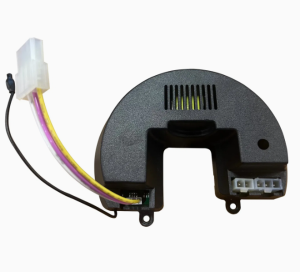
Fan Remotes & Controls
Low-Voltage Ceiling Fan Light Remote Controller
Low-Voltage Ceiling Fan Light Remote Controller. Confirm the matching control board, command functions and installation interface.
Compare fan remotes, RF or IR receivers, wall controls and matched kits. Confirm the actual signaling method, compatibility and wiring for your OEM project.
Low-Voltage Ceiling Fan Light Remote Controller. Confirm the matching control board, command functions and installation interface.
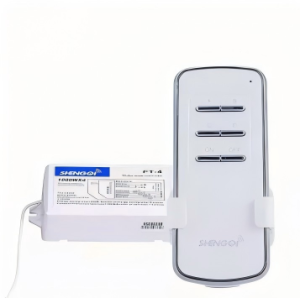
Custom Learning Ceiling Fan Remote Controller. Confirm the matching control board, command functions and installation interface.
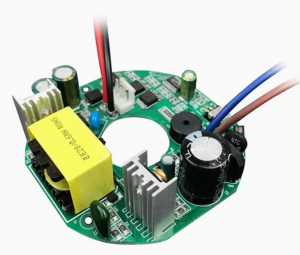
Wireless Fan Remote Control PCB. Confirm the matching control board, command functions and installation interface.
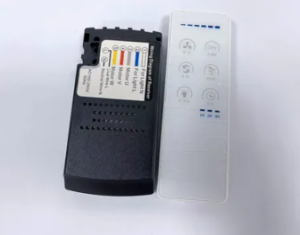
Universal Wireless Remote Control Light Switch. Confirm the matching control board, command functions and installation interface.
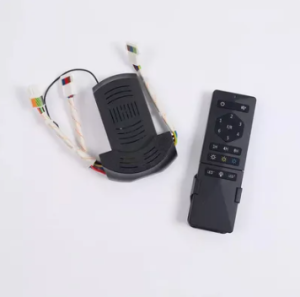
Ceiling Fan Light Timer and Speed Control Transmitter. Confirm the matching control board, command functions and installation interface.
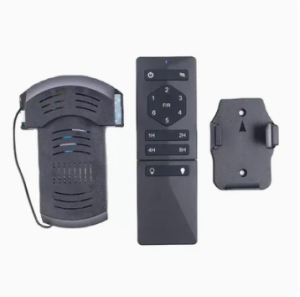
Universal Fan Speed Control Transmitter and Receiver Kit. Confirm the matching control board, command functions and installation interface.
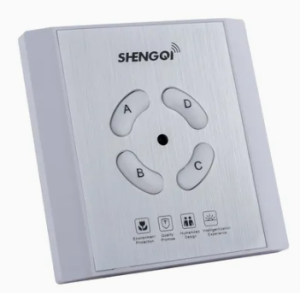
Universal IR Ceiling Fan Light Remote Controller. Confirm the matching control board, command functions and installation interface.
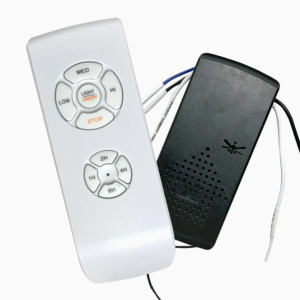
120V-220V RF Ceiling Fan and LED Light Controller. Compare the motor, supply, control interface and required operating functions.
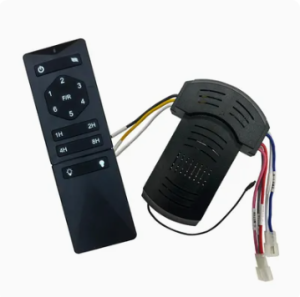
6-Speed Timer Ceiling Fan LED Remote Controller. Confirm the matching control board, command functions and installation interface.
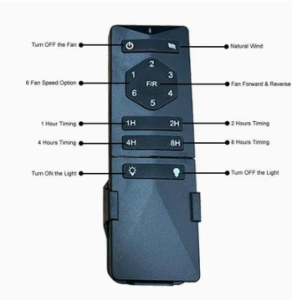
Ceiling Fan Light Timer Remote Control Switch. Confirm the matching control board, command functions and installation interface.
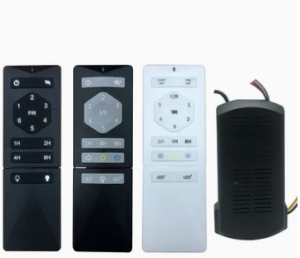
Fan-light dimmer remote listing with recorded F20 reference. Review dimming commands, receiver compatibility and motor/light control as separate functions.
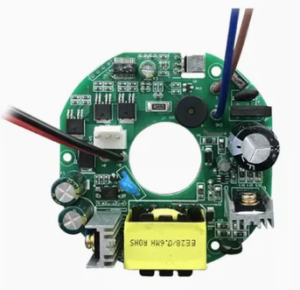
Cooling Fan Remote Control PCBA. Confirm the matching control board, command functions and installation interface.
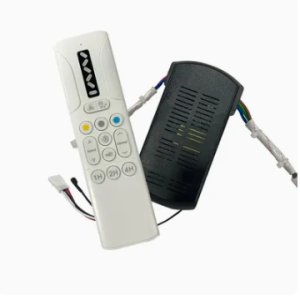
Ceiling Fan Light Remote Control and Receiver. Confirm the matching control board, command functions and installation interface.
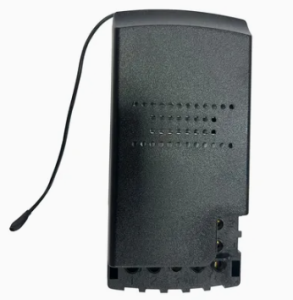
Reversible RF Ceiling Fan Remote Control Kit with Timer. Confirm the matching control board, command functions and installation interface.
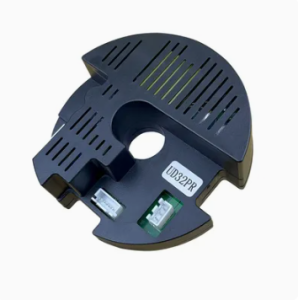
Low-Voltage Ceiling Fan Pull-Chain Control. Confirm the matching control board, command functions and installation interface.
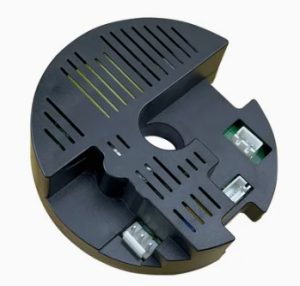
High-Voltage BLDC Ceiling Fan Pull-Chain Control. Confirm the matching control board, command functions and installation interface.
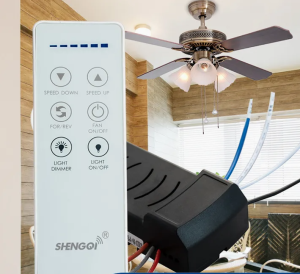
Ceiling fan RF remote listing with recorded FT-4 reference. Confirm the receiver and command protocol; the listing title does not guarantee universal fit.
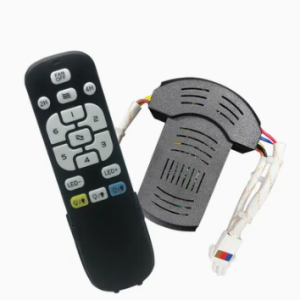
Custom Ceiling Fan Remote Controller. Confirm the matching control board, command functions and installation interface.
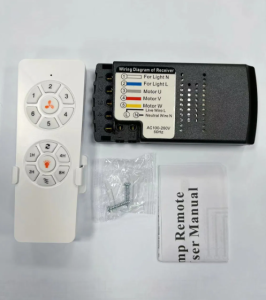
Wireless fan-light receiver kit listing with recorded M50 reference. Confirm kit contents, wiring and the approved handset/controller combination.
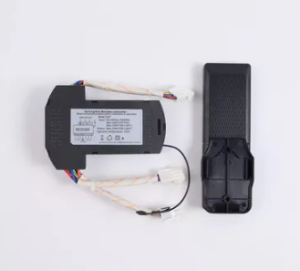
IR fan-light receiver listing with recorded F20 reference. Confirm infrared reception, line of sight, wiring and compatibility with the intended remote.
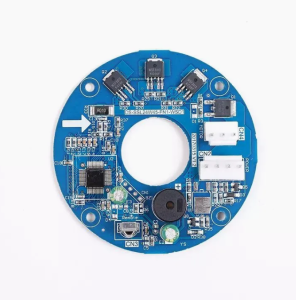
IR Remote Control for Solar BLDC Ceiling Fan. Confirm the matching control board, command functions and installation interface.
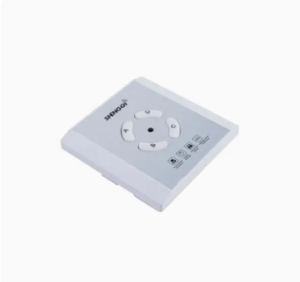
IR Wall Remote Control Receiver. Confirm the matching control board, command functions and installation interface.
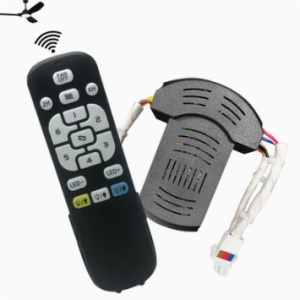
Dimmable Ceiling Fan Light Remote Controller. Confirm the matching control board, command functions and installation interface.
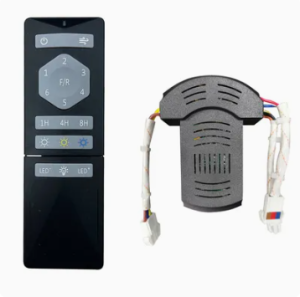
Ceiling Fan Light Dimmer Remote Control. Confirm the matching control board, command functions and installation interface.
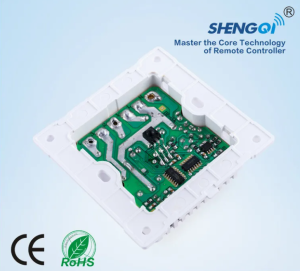
Embedded IR Remote Control Receiver. Confirm the matching control board, command functions and installation interface.
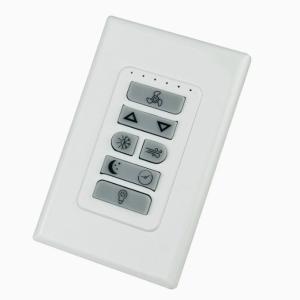
Ceiling fan light wall-control listing with recorded F82/F89 references. Confirm wiring, command behavior and compatibility with the actual fan receiver.
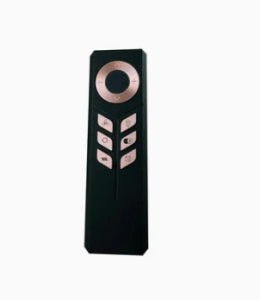
LED Ceiling Fan RF Remote Controller. Confirm the matching control board, command functions and installation interface.
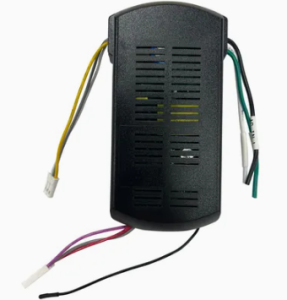
Ceiling Fan Light Wall Control and RF/IR Receiver Kit. Confirm the matching control board, command functions and installation interface.
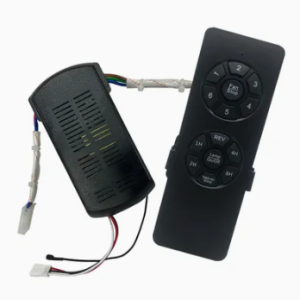
BLDC Ceiling Fan Light RF Controller PCBA. Compare the motor, supply, control interface and required operating functions.
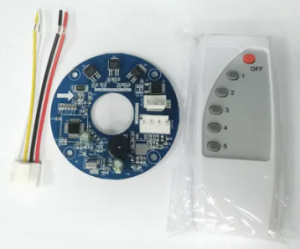
BLDC Fan Universal IR Remote Control. Confirm the matching control board, command functions and installation interface.
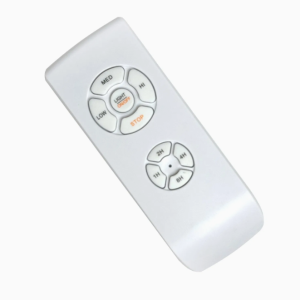
AC Ceiling Fan Light RF Controller PCB. Compare the motor, supply, control interface and required operating functions.
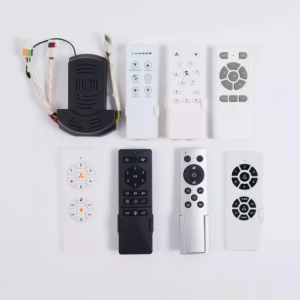
AC100-240V Ceiling Fan Light Remote Controller. Confirm the matching control board, command functions and installation interface.
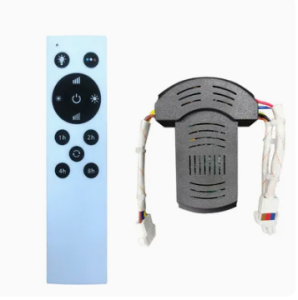
AC100-240V Brushless Ceiling Fan Light Remote. Confirm the matching control board, command functions and installation interface.
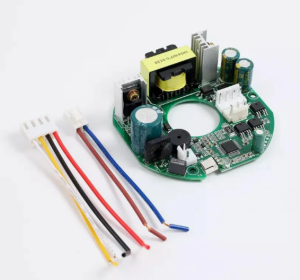
45W AC/DC BLDC Ceiling Fan RF Control Kit. Compare the motor, supply, control interface and required operating functions.
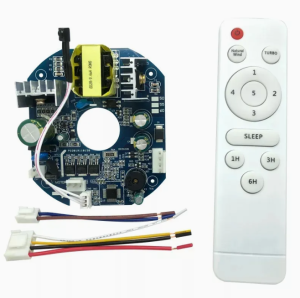
50-56W BLDC Ceiling Fan RF Control PCBA. Compare the motor, supply, control interface and required operating functions.
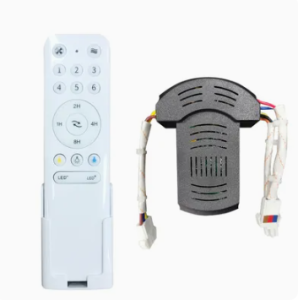
6-speed fan-light remote listing with recorded MD3H reference. Confirm the matching receiver, speed commands and lighting behavior before selecting a kit.
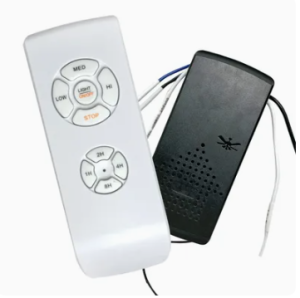
AC 220V Universal RF Ceiling Fan Light Remote. Confirm the matching control board, command functions and installation interface.
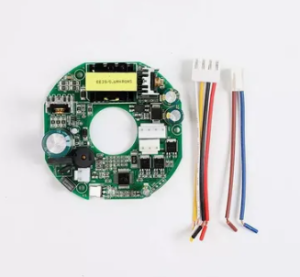
AC/DC IR BLDC Ceiling Fan Controller PCB. Compare the motor, supply, control interface and required operating functions.
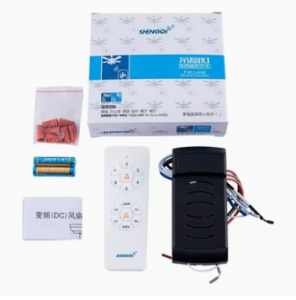
220V RF Ceiling Fan Remote Controller. Confirm the matching control board, command functions and installation interface.
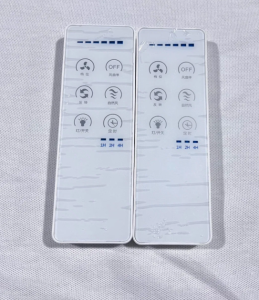
433.92 MHz RF Remote Control Switch. Confirm the matching control board, command functions and installation interface.
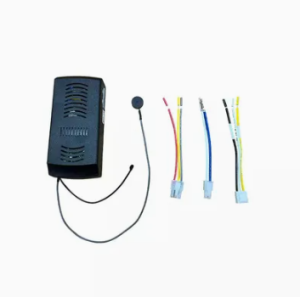
110V/220V BLDC Ceiling Fan Light RF Controller. Compare the motor, supply, control interface and required operating functions.
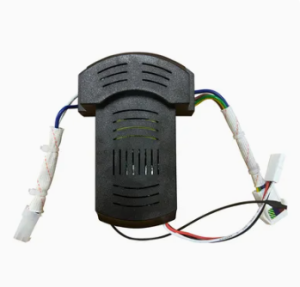
120V 6-Speed Low-Voltage Ceiling Fan Light Remote. Confirm the matching control board, command functions and installation interface.
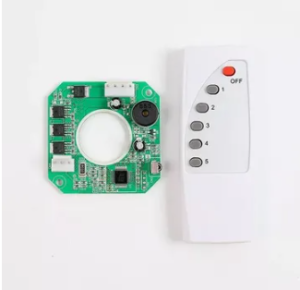
12V DC Fan Remote Control PCB. Confirm the matching control board, command functions and installation interface.
Wireless controls should be specified as a matched system. Confirm the RF band and pairing behavior for the target product and market; do not assume every model uses 2.4 GHz.
RF and IR remotes, receiver kits and local fan controls. Confirm the signaling method, matched receiver, command functions and wiring for the listed configuration.
A controller is selected against the complete application, not from a generic rating alone. Confirm the points below before finalising a prototype brief.
Share motor data, required functions, target market, and volume plan for an engineering review.
A wireless remote-control project should define range, pairing behavior, button functions, receiver placement, interference considerations, lighting functions, local fallback, and the required user experience. Validate the system with the intended fan and enclosure, rather than as separate components.
List speed, direction, timer, light, dimming, memory, and feedback behavior, including how each function is indicated to the user.
Specify pairing, operating range, antenna and receiver placement, coexistence, and recovery behavior after power interruption.
Test the remote and receiver with the target motor controller, fan, lighting load, wiring, and enclosure before release.