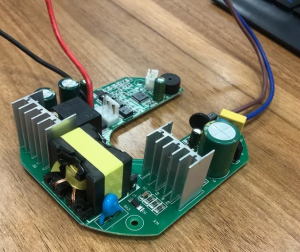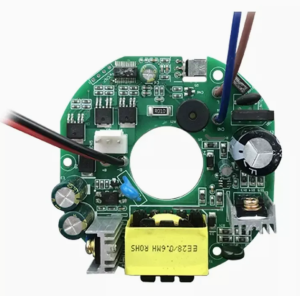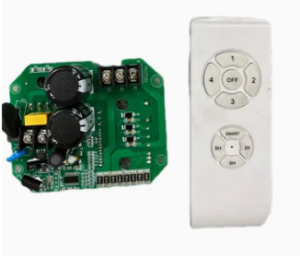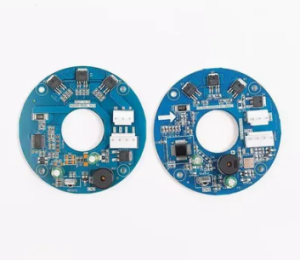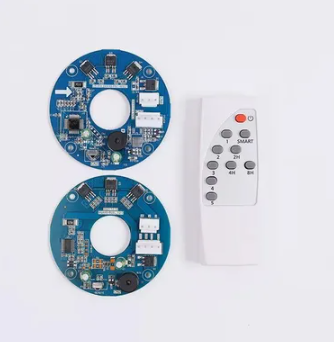
BLDC Fan Controller PCBA
BLDC Fan Controller PCBA. Compare the motor, supply, control interface and required operating functions.
Built for your product platform.
BLDC Fan Controller PCBA: recorded scope
BLDC Fan Controller PCBA. Compare the motor, supply, control interface and required operating functions. This page records what the listing currently states and separates it from what still has to be confirmed for your project. It is a working reference for an enquiry, not a released specification: the approved drawing revision, motor data and test plan take precedence over anything shown here.
What this listing records
| Listing title | BLDC Fan Controller PCBA |
|---|---|
| Product category | BLDC Controllers |
| Internal reference | SK-146 |
| Signals named in title | BLDC, PCBA |
| Configuration status | Not yet confirmed for a specific project |
Figures taken from a listing title are descriptive. They indicate the intended application; they do not establish the rated conditions of the unit supplied for your programme. Confirm them against the approved project configuration before quoting, sampling or designing around them.
Motor matching before board selection
A BLDC controller is only meaningful in relation to a specific motor. Winding resistance, back-EMF constant, pole count and the commutation method all determine whether the board can start the motor reliably and hold speed under load. Selecting a board from a power rating alone is the most common source of prototype failure.
- Motor data sheet, or a representative sample for measurement
- Commutation method: Hall sensor or sensorless
- Speed regulation method and the tolerance required
- Behaviour under sudden load change and at minimum speed
What to confirm before sampling
These are the inputs the engineering team needs in order to turn this listing into a reviewable specification for bldc controllers.
- Motor voltage, phase current, pole count and back-EMF profile
- Speed range, start-up condition and reversing behaviour
- Protection thresholds for locked rotor, over-current and over-temperature
- Board outline, connector pinout and mounting arrangement
Why this page does not quote full specifications
Publishing a numeric table that has not been traced to an approved drawing is worse than publishing none: a buyer can design a housing, a harness or a certification plan around a figure that was never verified. The parameters that decide whether this part fits your product – rated current under your load, thermal margin in your enclosure, connector pinout on your board revision, and the compliance scope for your market – are only meaningful once they are tied to a specific configuration.
What that means in practice is that the review is driven by your inputs rather than by a published table. Send the motor or load data, the available drawings and the target market, and the engineering team can respond with the specific values that apply to your build, together with the measurement conditions behind them. Where a figure cannot be supported for your configuration, the honest answer is to say so and propose the test that would establish it.
Application notes for this listing
Board-level supply
Supplied as a board, the product has to fit an envelope you already control. The interface contract – outline, fixings, connectors, programming access and test access – is the first thing to settle, because it decides whether the board can be assembled and tested at all.
- Board outline and fixing points
- Connector schedule and mating harness
- Programming and test access with the housing fitted
Controller selection starts with the motor, not the board
A controller board is matched to a motor, so the motor data is the first deliverable rather than the board photograph. Winding resistance sets the current the power stage must carry at standstill; the back-EMF constant sets how much voltage the motor needs at speed; pole count and commutation method set the timing the firmware has to follow. Two boards with the same headline power rating can behave very differently on the same motor.
- Ask for the motor data sheet before comparing controller options
- Measure start-up current on the actual load, not a free-running motor
- Establish the minimum speed at which the application must remain stable
- Confirm which protections are enforced in hardware and which in firmware
Where this type of part usually goes wrong
The recurring problem is a board selected from a power rating and then found not to start the actual motor reliably. Back-EMF constant and winding resistance matter more than the headline wattage, and low-speed stability has to be demonstrated on the real load.
Validate on the real motor, not a substitute
Record start-up on the actual motor under the actual load, minimum stable speed, speed regulation across the range and behaviour under a sudden load change. Confirm which protections are enforced in hardware and which depend on firmware, because that determines what happens if the firmware stops executing.
Keep the motor data, the controller and firmware revision, the load setup, the measurement points and the acceptance figures in one record. A change to the motor, the winding or the load profile should trigger a re-validation, since the controller was tuned against the original.
Frequently asked questions.
Can this product be customized for our application?
Yes. Sankey can match the controller hardware, firmware, interfaces, protection functions, and production test plan to your motor and target market.
What information is needed for a project quotation?
Please share motor data, input voltage, rated power, required functions, target certifications, product drawings where available, and expected annual volume.
How is production quality validated?
Production support can include incoming inspection, AOI, ICT, functional testing, aging, and reliability checks appropriate to the confirmed project specification.